
Results
-
 £72.99
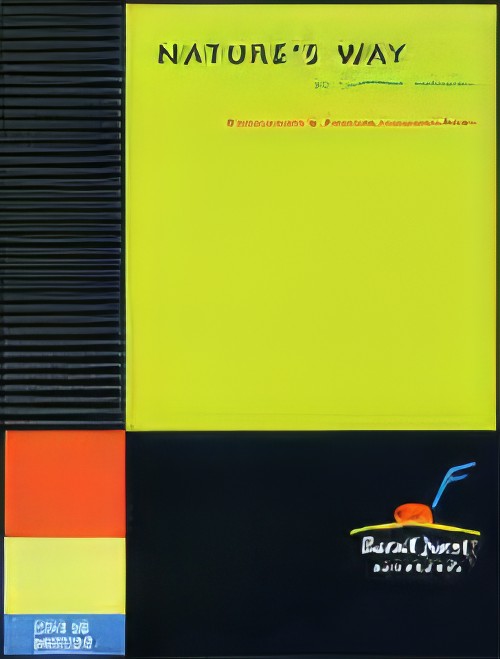
NATURE'S WAY (BandQuest) - Schuller, Gunther
From the composer: "Nature's Way for intermediate level band was commissioned by BandQuest, a project initiated by the American Composers Forum. Their mission is for major composers of national reputation to write works of high quality that take into consideration the (still comparatively limited) levels of musical development--both technical and conceptual--typical of such ensembles. I eagerly accepted the commission and the challenges implied thereby--that is, to reign in my creative imagination to some extent and limit the technical/conceptual demands to a more moderate level than is to be found in my previous compositions for band. Nonetheless, since the process of rehearsing, studying and performing a work created specifically for the school student market is--and must be, in my view--primarily educational, it was very clear to me that my work would (and should) challenge the players at least to their top levels, and even a little beyond that. Thus Nature's Way in no way represents a compromise of my personal style, nor my long held concepts of form, continuity, texture, and instrumentation. I have known for a long time that young, inquisitive minds are eager to learn from new experiences, from previously never encountered challenges, that is to say, to be pushed--gently--to rise above their present levels of achievement. That's what education is all about."
Estimated dispatch 7-14 working days
-
 £75.00
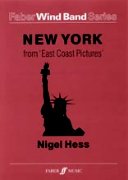
New York (from East Coast Pictures) (Concert Band - Score and Parts) - Hess, Nigel
New York - or to be more precise, Manhattan. For anyone who is familiar with this bizarre and wonderful city, here is a 'picture' that needs no explanation. For those not yet hooked this is a foretaste of things to come!This piece forms the final movement of 'East Coast Pictures', commissioned by the British Youth Wind Orchestra with funds from the National Westminster Bank plc. It is a suite of three short 'pictures' that were inspired by several visits to a small part of the American East Coast, an area that provides great extremes in the geography and the people.Duration: 6.00
Estimated dispatch 7-14 working days
-
 £64.35
New York Hippodrome (Concert Band - Score and Parts)
This is the first concert-sized publication of the superb Sousa-Damrosch "Star Spangled Banner." Their Ab version remains one of the most standard and sing-able arrangements of our National Anthem. It was richly harmonized in 1917 by Walter Damrosch and skillfully arranged by John Philip Sousa. This arrangement has been carefully editied by Keith Brion. The full score includes fascinating historical background.
Estimated dispatch 7-14 working days
-
£154.99
Ouverture Allemande (Concert Band - Score and Parts)
This festive overture by the Austrian composer Thomas Doss, whose father was German, is intended to be a symbol of the friendship between Germany and Austria, and the countries that border on these two states. In times of union and cooperation, the European thinking should be one of tolerance and openness when it comes to national identities and cultures. European culture has many faces - that is what makes it unique. The shadows of the past, however, should never be forgotten, but they must not obscure the present and the future. Many ghosts wander through this overture, and those who listen carefully will also hear a great master of classical music ghost around. A creative new opening work for any concert. 09:00
Estimated dispatch 7-14 working days
-
£104.99
Peter Maffay! (Concert Band - Score and Parts)
37 studio albums, 18 live albums, countless national and international awards for his music and various social engagements, a repertoire from rock to pop to musicals and everything in between--the list of superlatives for Peter Maffay is seemingly endless. Wolfgang W?ssner's medley Peter Maffey! shines a light on this great artist with the massive hits Sonne in der Nacht, So bist du, Und es war Sommer, Du, Eiszeit, and naturally ?ber sieben Br?cken musst du geh'n. 08:55
Estimated dispatch 7-14 working days
-
 £124.95
SCENES FROM THE NATIVITY (Prestige Concert Band - Score and Parts) - Hingley, Barrie
'A Nativity Ballet' was commissioned for the National Youth Ballet of Great Britain. 'Scenes from The Nativity' is a version for wind band intended for performance in its own right with optional narrator or as supporting music for a Nativity Play, for which a fuller version of the narrative is supplied. (Grade 5) Performance time 10'00
Estimated dispatch 7-14 working days
-
£32.95
SCENES FROM THE NATIVITY (Prestige Concert Band - Score only) - Hingley, Barrie
'A Nativity Ballet' was commissioned for the National Youth Ballet of Great Britain. 'Scenes from The Nativity' is a version for wind band intended for performance in its own right with optional narrator or as supporting music for a Nativity Play, for which a fuller version of the narrative is supplied. (Grade 5) Performance time 10'00
Estimated dispatch 7-14 working days
-
 £75.00
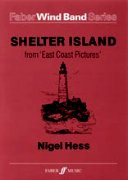
Shelter Island (from East Coast Pictures) (Concert Band - Score and Parts) - Hess, Nigel
Shelter Island' is the first movement of 'East Coast Pictures'. It is a depiction of the Shelter Island itself, a few hours drive east of New York. In the summer it becomes a crowded tourist trap; but in the winter it is gloriously deserted and bravely faces the onslaught of the turbulent Atlantic, shrouded in sea mists and driving rain. This 'picture' is a fond memory of a winter weekend on Shelter Island.East Coast Pictures was commissioned by the British Youth Wind Orchestra with funds from the National Westminster Bank plc. These three short 'pictures' were inspired by several visits to a small part of the American East Coast, an area that provides great extremes in the geography and the people.Duration: 5.00
Estimated dispatch 7-14 working days
-
 £199.95
STORM SURGE An Elemental Portrait for Concert Band (Prestige Concert Band - Score and Parts) - Clarke, Nigel
Storm Surge is a musical representation of the devastating North Sea storm surge (in Dutch, Watersnoodramp) of 1953. The surge left 2551 dead, 1836 people from the Netherlands alone, together with fatalities in Scotland, England and West Flanders. Storm Surge starts off with calm waters, while we hear the steadily growing sounds of the wind and sea. A specially commissioned poem, written by Martin Westlake, spoken over these sounds, warns of the dangers of ignoring the storm. Slowly, the storm starts to take hold and the sea begins to swell. The violence of the storm then erupts, but before it reaches its climax, the Dutch National Anthem gives a sense of the calm in the eye of the storm. It then returns to the storm surge and depicts the sea breaking through and ravaging the coastline. Eventually the storm surge recedes until a lone trumpet is left quoting broken fragments of the Anthem. The work closes with a calm breeze mournfully revealing the devastation left behind by this natural disaster.
Estimated dispatch 7-14 working days
-
£37.95
STORM SURGE An Elemental Portrait for Concert Band (Prestige Concert Band Score inc. Sound Design CD) - Clarke, Nigel
Storm Surge is a musical representation of the devastating North Sea storm surge (in Dutch, Watersnoodramp) of 1953. The surge left 2551 dead, 1836 people from the Netherlands alone, together with fatalities in Scotland, England and West Flanders. Storm Surge starts off with calm waters, while we hear the steadily growing sounds of the wind and sea. A specially commissioned poem, written by Martin Westlake, spoken over these sounds, warns of the dangers of ignoring the storm. Slowly, the storm starts to take hold and the sea begins to swell. The violence of the storm then erupts, but before it reaches its climax, the Dutch National Anthem gives a sense of the calm in the eye of the storm. It then returns to the storm surge and depicts the sea breaking through and ravaging the coastline. Eventually the storm surge recedes until a lone trumpet is left quoting broken fragments of the Anthem. The work closes with a calm breeze mournfully revealing the devastation left behind by this natural disaster.
Estimated dispatch 7-14 working days
 View Music