
Results
-
 £118.99
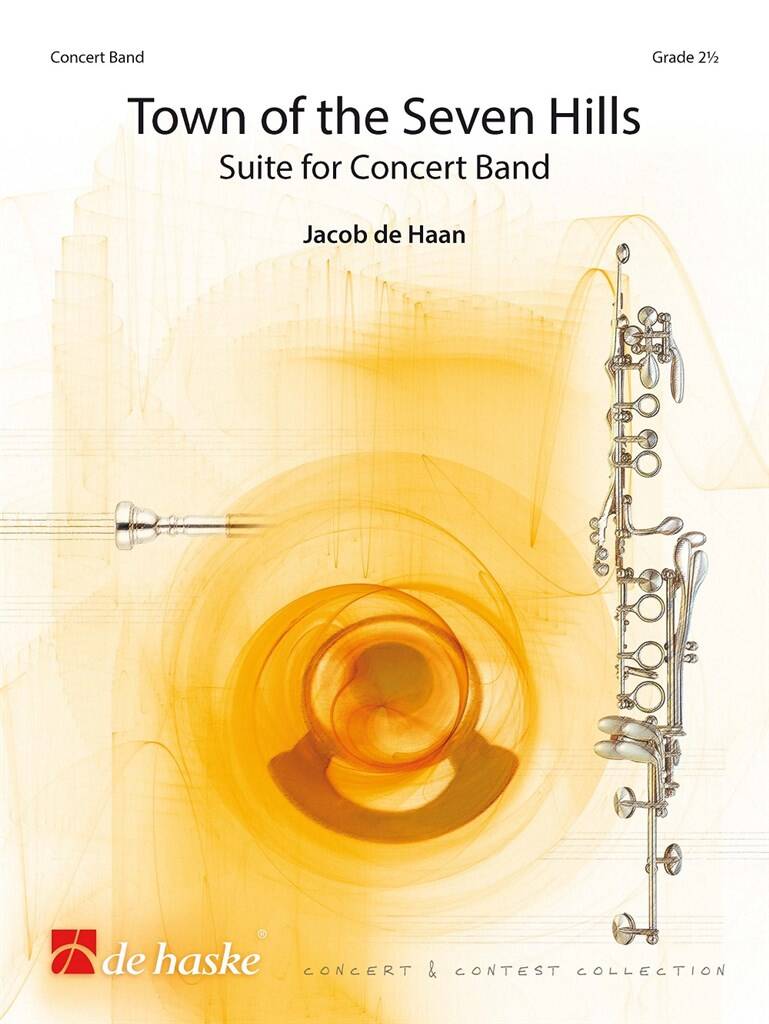
Town of the Seven Hills - Jacob de Haan
This 4-movement suite tells the story of the beautiful French town 'Tulle' that was built on seven hills, just like Rome and Lisbon. The composer depicts the history of the town, as well as important events such as the bloodbath during World War II, the fabric 'tulle' after which the town is named and the festive annual fair. Since Tulle is also known for the production of Accordions, the composer added an 'ad libitum' Accordion part. A really charming and stylish concert or contest work!
Estimated dispatch 7-14 working days
-
 £115.60
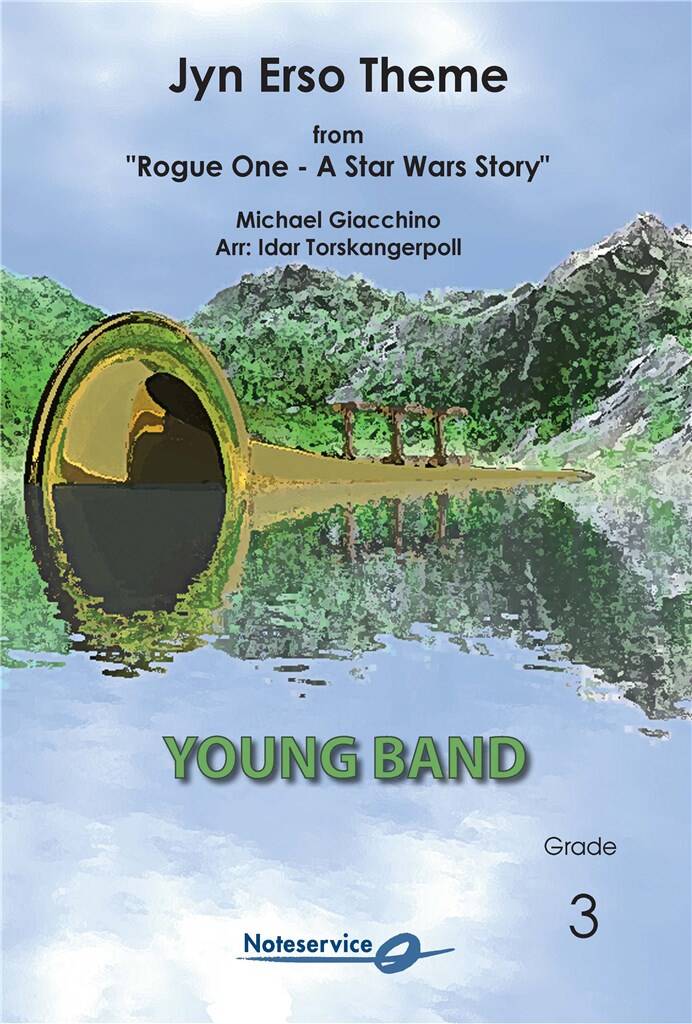
Jyn Erso Theme - Michael Giacchino
After seven soundtracks written by John Williams for the Star Wars. the music for Rogue One A Star Wars Story is composed by Michael Giacchino. Giacchino is one of the leading composers of film music today with soundtracks for "The Incredibles", "Star Trek", Zootropolis", "Inside Out", and TV-series "Lost" as his greatest achievements. With his music to "Rogue One", Giacchino puts his own mark on the new Star Wars movie but with natural influences by "the master" himself John Williams.. Jyn Erso Theme portraits one of the new characters of the "Rogue One" movie. British actress Felicity Jones plays the role of Jyn Erso in "Rogue One"
Estimated dispatch 7-14 working days
-
 £57.50
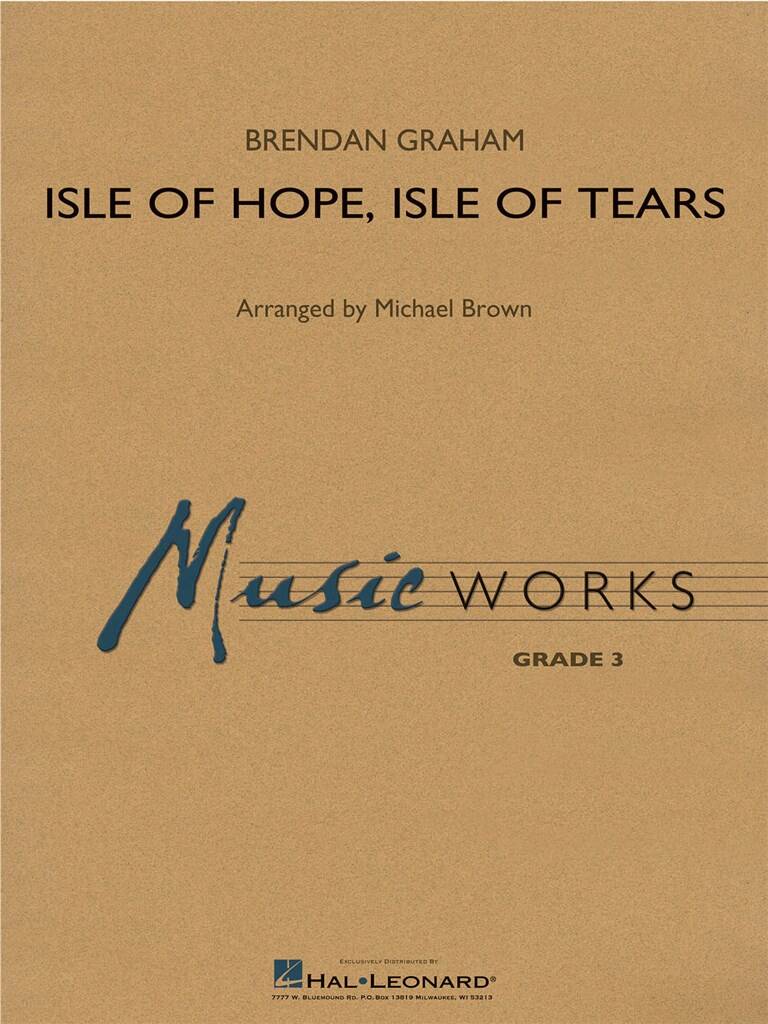
Isle of Hope, Isle of Tears - Brendan Graham
Brendan Graham's tender song tells the emotional story of Ireland's Annie Moore, the first person to step ashore when Ellis Island opened as an immigration center in 1892. With emotions ranging from hope to fear, joy to despair,this deeply moving ballad has been recorded notably by Sean & Dolores Keane, The Irish Tenors, Celtic Thunder, and Celtic Woman. Here is a beautiful setting adapted for the concert stage. Dur: 3:40
Estimated dispatch 7-14 working days
-
 £70.50
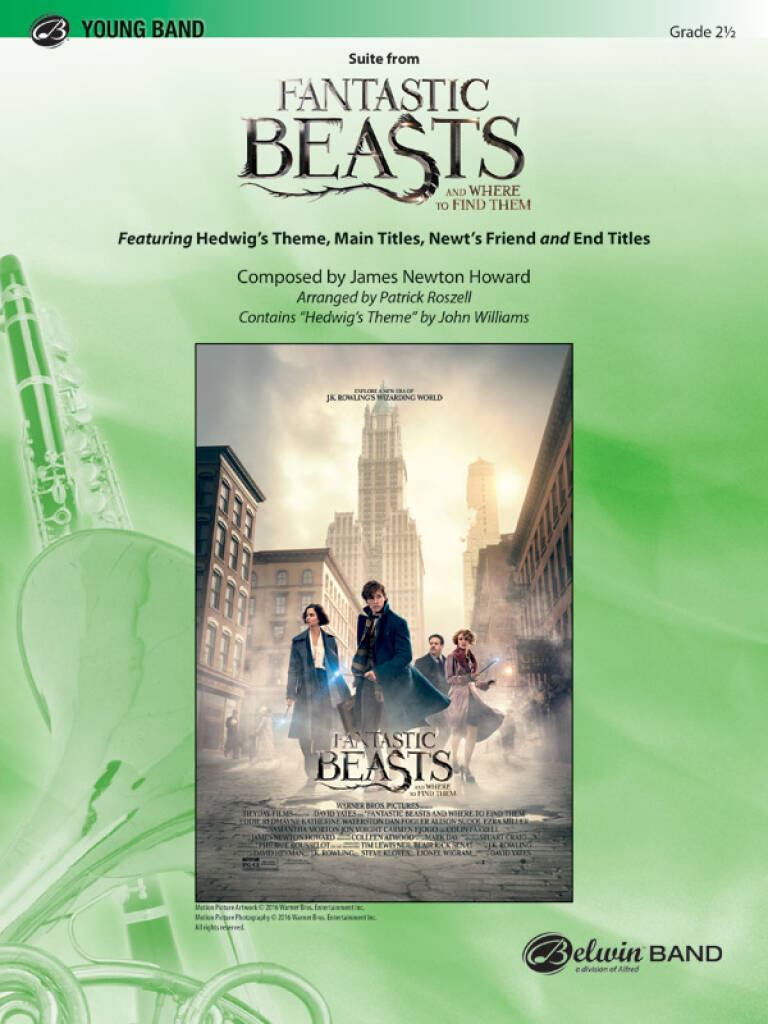
Fantastic Beasts and Where To Find - James Newton Howard
J.K. Rowling's story of Fantastic Beasts and Where to Find Them will mezmerize your audiences as it follows the adventures of Newt Scamander, featuring James Newton Howard's music from the hit movie. Beginning with a hint of John Williams' "Hedwig's Theme," the medley includes "Main Titles," "Newt's Friend," and "End Credits." The magic, mystery, and wonder swirl, twirl, and spiral in this compelling arrangement with wizardly delicious parts for all. (4:15)
Estimated dispatch 7-14 working days
-
 £144.99
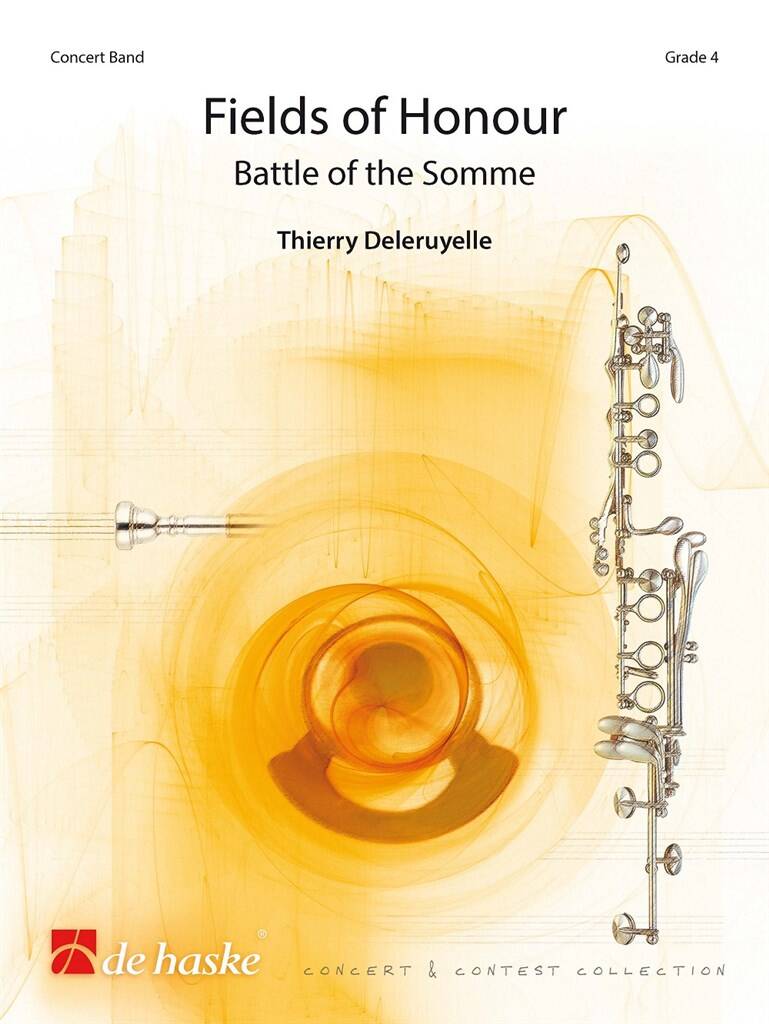
Fields of Honour - Thierry Deleruyelle
Thierry Deleruyelle's Fields Of Honour was commissioned by 'l'Orchestre d'Harmonie de Beauquesne', France, and tells the story of the terrifying Battle of the Somme during WW1, with more than one million of victims. The music depicts the events prior to the battle until the time after it. This impressive composition has the structure of a symphonic poem and is highly dramatic and emotional, offering challenges to all instrument groups.
Estimated dispatch 7-14 working days
-
 £154.99
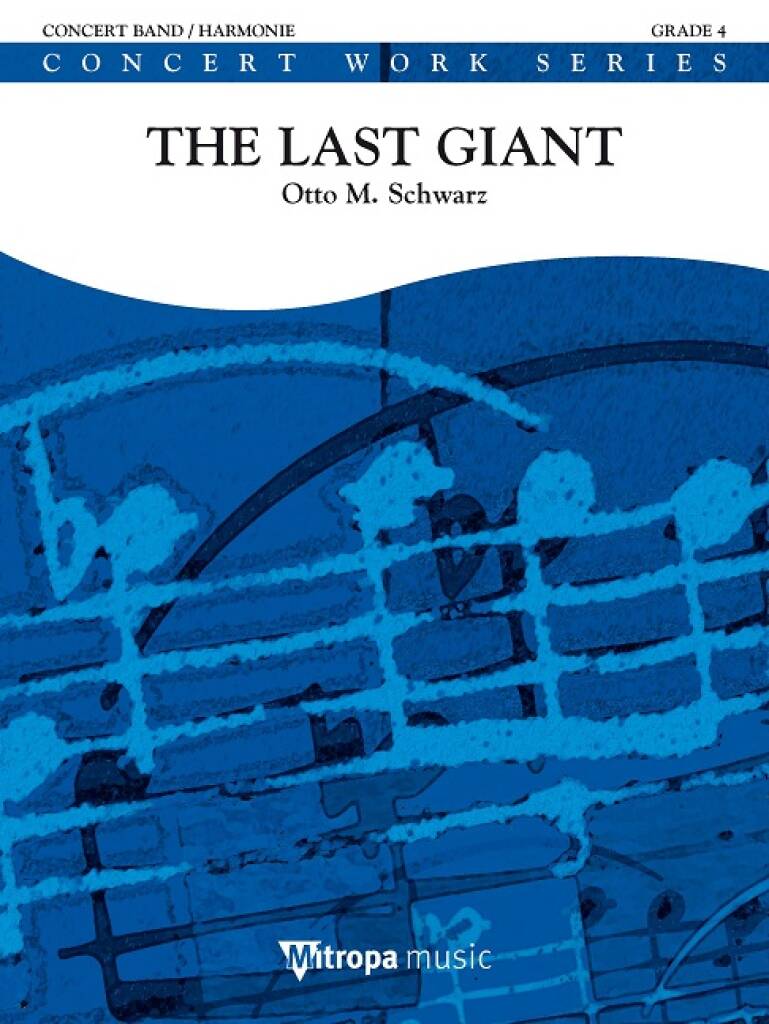
The Last Giant - Otto M. Schwarz
On the Wildon Mountain, deep inside Austria, there once lived generations of giants, terrorizing the inhabitants of the valley. However, the people of the valley were determined to put an end to the barbaric invaders. This programmatic piece tells the story of the events step by step, or rather bar by bar. A spectacular and variegated piece for concert or contest, with lots of action in the different registers, as well as beautiful thematic materials throughout the piece.
Estimated dispatch 7-14 working days
-
 £137.99
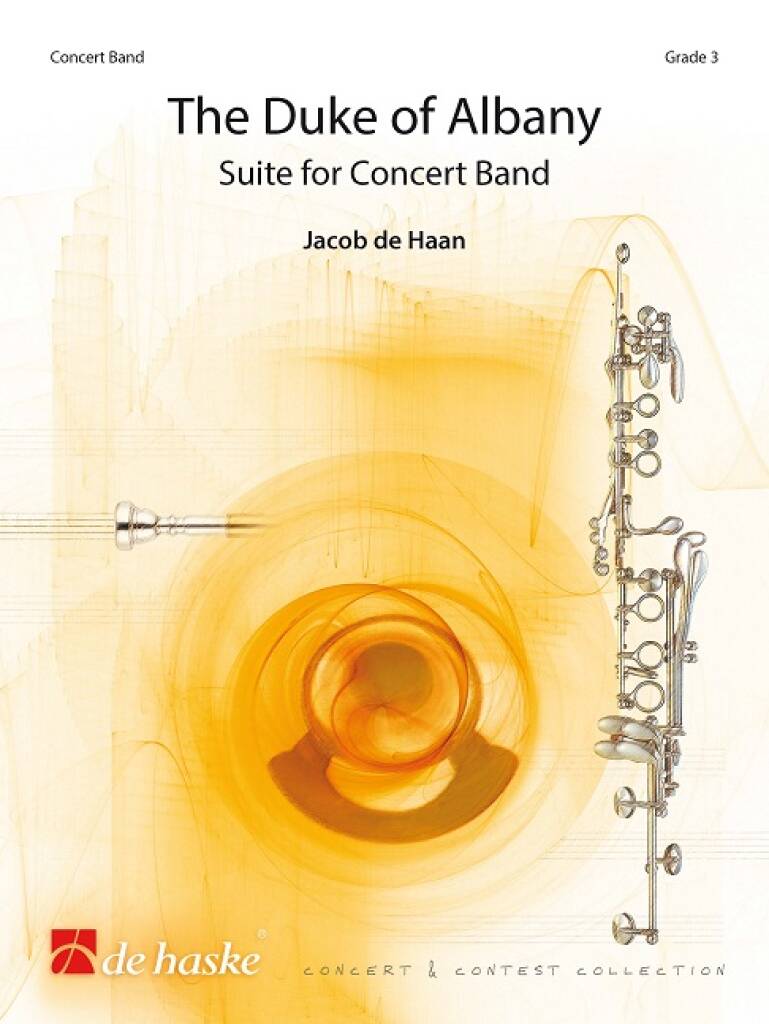
The Duke of Albany - Jacob de Haan
This suite tells the story of John Stewart, the Duke of Albany (the old name for the Kingdom of Scotland) who lived from 1484 to 1536, and of Anne de la Tour, Countess of Auvergne. The first majestic movement is about John Stewart, who leaves for Auvergne in order to marry Anne de la Tour. The second movement begins beautiful and romantic describing the romance between Anne de la Tour and the Duke, followed by sounds of despair and loneliness. The celebratory finale describes the construction of a new chapel and the population dancing and celebrating.
Estimated dispatch 7-14 working days
-
 £76.99
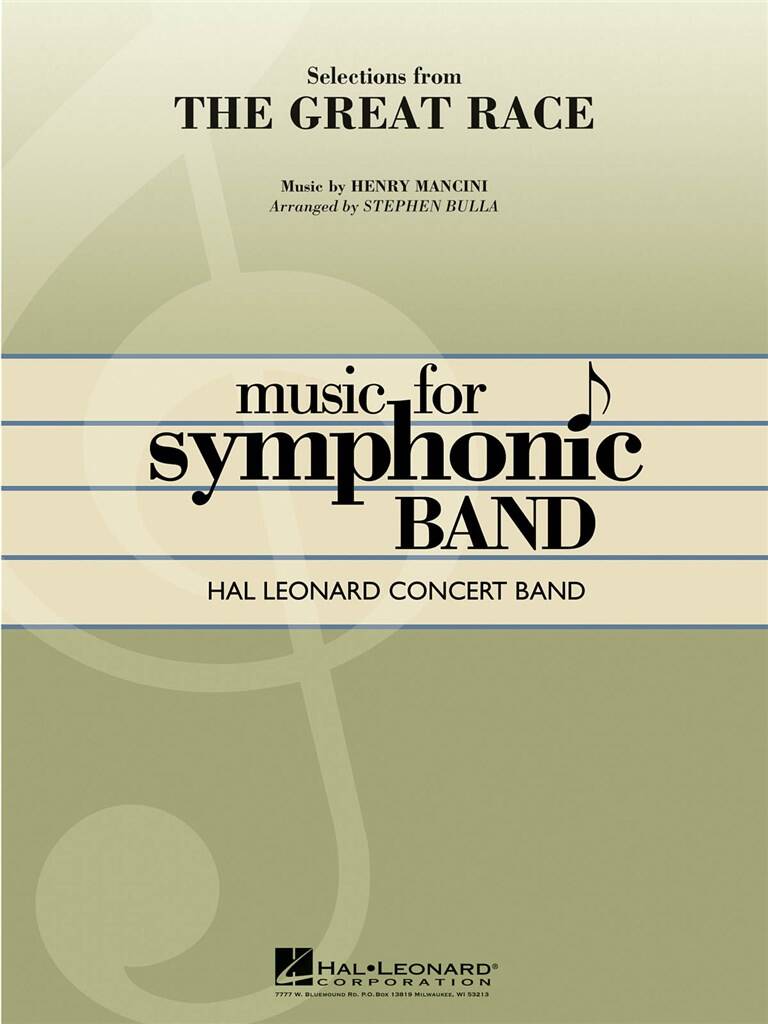
Selections from The Great Race - Henry Mancini
This 1965 comedy classic from director Blake Edwards featured an all-star cast, an outlandish story, and terrific music by Henry Mancini. This entertaining medley will be a crowd-pleaser even for those who haven't seen the movie. Includes: 'Overture'; 'He Shouldn't-a, Hadn't-a, Oughtn't-a Swang On Me'; 'They're Off!'; 'Push the Button, Max'; 'The Sweetheart Tree'; 'Royal Waltz'; and 'The Great Race March'.
Estimated dispatch 7-14 working days
-
 £53.50
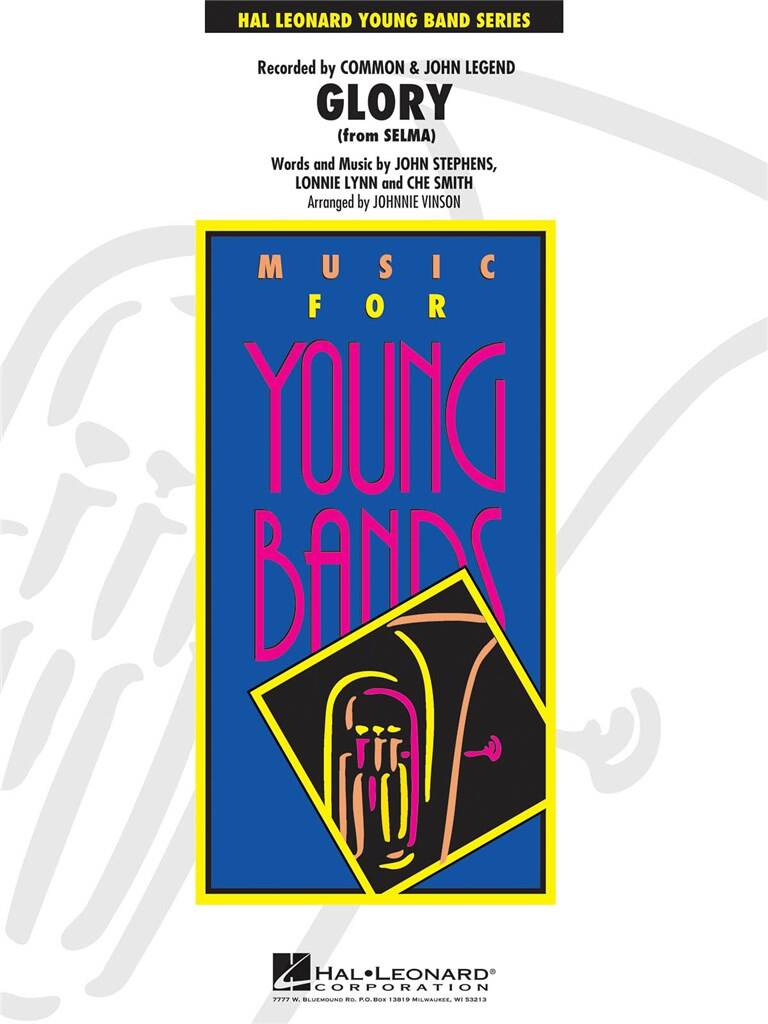
Glory (from Selma) - Che Smith
From the acclaimed film Selma about the civil rights marches of 1965, this soaring ballad recorded by John Legend & Common captures the power and emotion of the story and garnered the Academy Award for best song from a movie.This stirring arrangement by Johnnie Vinson also includes an optional rap section taken from the original recording.
Estimated dispatch 7-14 working days
-
£62.95
Alala - Joseph Benjamin Earp
This exciting work for the developing concert band honors Greek mythology, specifically the events surrounding the story of the goddess Athena. Your students will transport the audience into battle demonstrating clear victory through the ensembles' chant and energetic playing. This work for younger ensembles will be a hit at your next concert!
Estimated dispatch 7-14 working days
 View Music