
Results
-
 £60.99
Moonset - Sarah Siegler
Evocative and retrospective, MOONSET is a highly original work for concert band. It explores soundscapes in unique manner and serves as an excellent work for contest or festival or just as that something different number on your program.
Estimated dispatch 7-14 working days
-
 £47.50
Countercurrent - Timothy P. Stakem
Conservative ranges, easy rhythms, and plenty of percussion make this an easily accessible piece for that first concert. There is only one line per part for all of the woodwinds and brass, so there is comfortable security for weaker players. It has a big, aggressive sound, so students are sure to enjoy playing this new and exciting work.
Estimated dispatch 7-14 working days
-
 £99.99
Dramatic Overture (US Air Force 80th Anniv.) - James Barnes
Dramatic Overture is a lively, celebratory piece commissioned to mark the 80th anniversary of the band. It begins with a stark, powerful introduction of the main theme by the trombones and percussion, soon joined by the other brass before the music moves into a dance-like allegro section. Dramatic brass statements, scampering woodwinds and long, soaring melodies dominate this allegro section until the band slows once again, to present a dramatic fanfare based on the basic intervals of the opening theme. The work then ends with a flashy, energetic coda.
Estimated dispatch 7-14 working days
-
 £140.00
Elegy & Scherzo - Johan de Meij
Elegy & Scherzo was written at the request of cellist Yuki Ito, to commemorate the 150th birthyear in 2023 of Russian composer Sergei Rachmaninoff (1873 - 1943). Composer Johan de Meij used some hints and quotes from Rachmaninoff's 2nd Symphony (opus 27) and the Symphonic Dances (opus 45), to embrace the sound world of the Russian master. Elegy & Scherzo was premiered on October 27, 2023, in the Cankarjev Dom in Ljubljana, Slovenia by the Band of the Slovenian Armed Forces, with Yuki Ito as the cello soloist. Soon after the premiere, the work was adapted for solo euphonium and wind orchestra. It received its premiere during the ITEC, the International Tuba- and Euphonium Conference 2025 in Valencia, Spain, with Shoichiro Hokazono as the soloist, and the composer conducting.
Estimated dispatch 7-14 working days
-
 £47.50
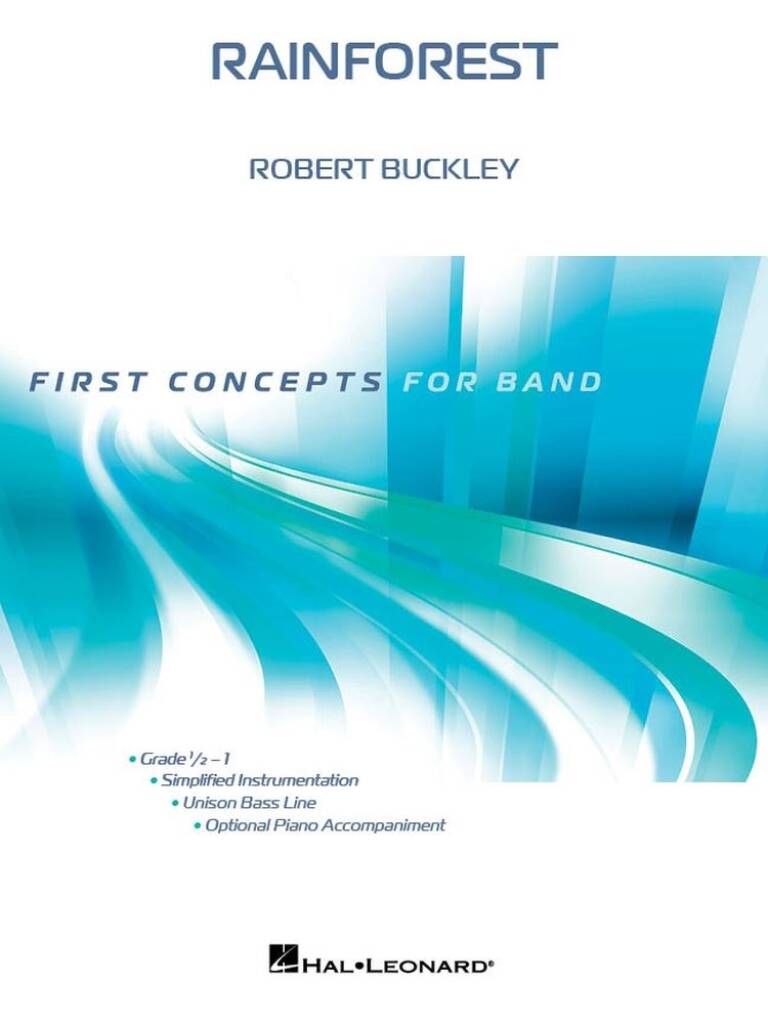
Rainforest - Robert Buckley
Experience the sounds of the rainforest. This fun and creative work for beginning band opens and closes with an aleatoric section that features rainsticks, finger snaps and random notes. The gentle melody uses only the first 6 notes of the Bb scale and it teaches legato playing and dotted quarter note rhythms. An excellent choice for your band's first concert.
Estimated dispatch 7-14 working days
-
 £106.99
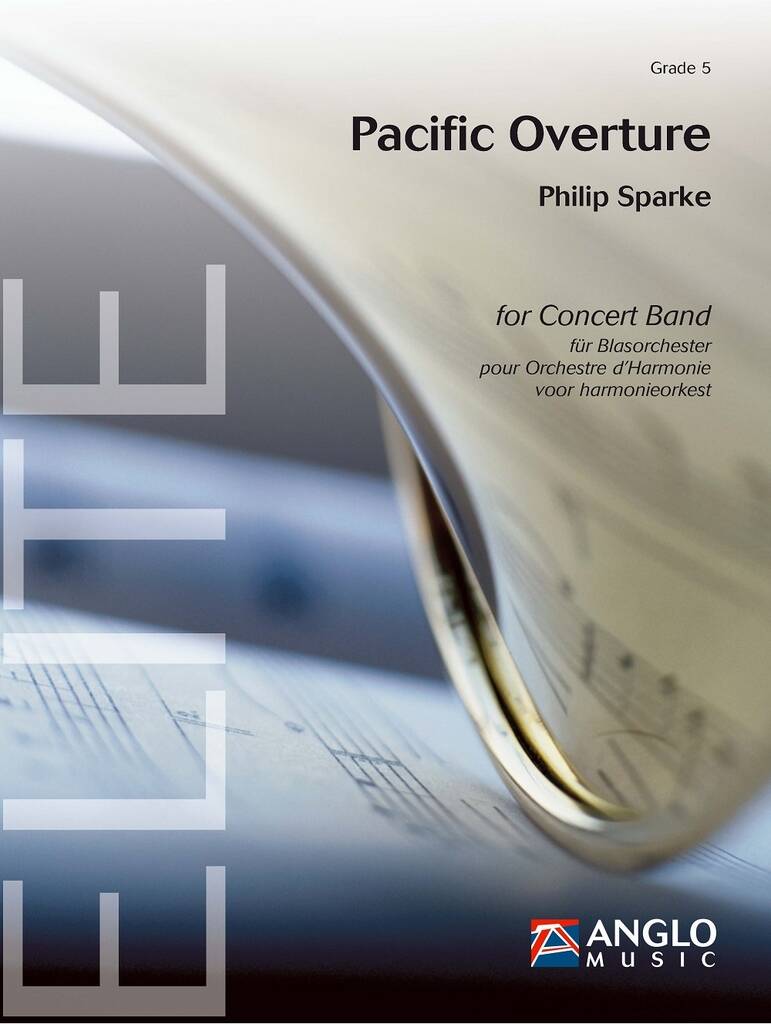
Pacific Overture - Philip Sparke
This effervescent overture has it all: majestic fanfare sounds, melodious passages and lively figurations. The main theme has the atmosphere of a sea shanty - the work is called Pacific Overture for a reason! Turbulent waters and peaceful bays alternate until the vibrant fanfare from the beginning rounds the work off brilliantly.
Estimated dispatch 7-14 working days
-
 £53.50
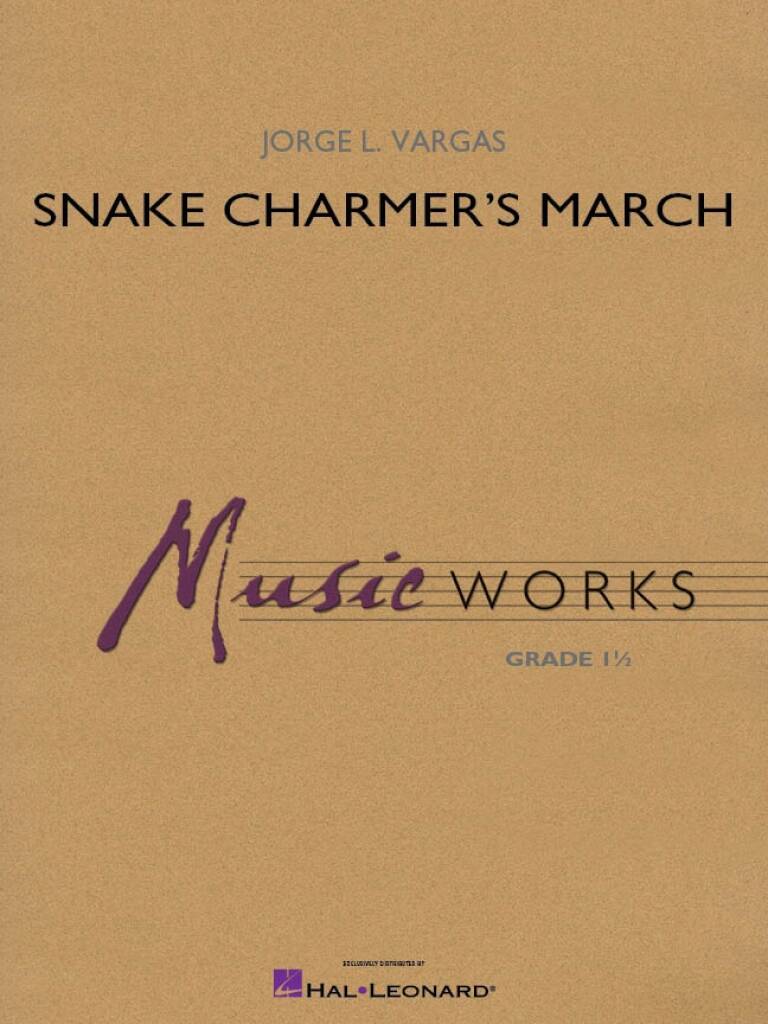
Snake Charmer's March - Jorge L. Vargas
This fun and engaging work features a recognizable melody within a not-so-traditional march. The perilous and exhilarating nature of the performance unfolds as the snake charmer plays the well-known tune, employing it to mesmerize and control the venomous cobra, which appears poised to strike at any moment! Perfect for teaching the harmonic minor scale, articulations, dynamics and eighth rests.
Estimated dispatch 7-14 working days
-
 £87.99
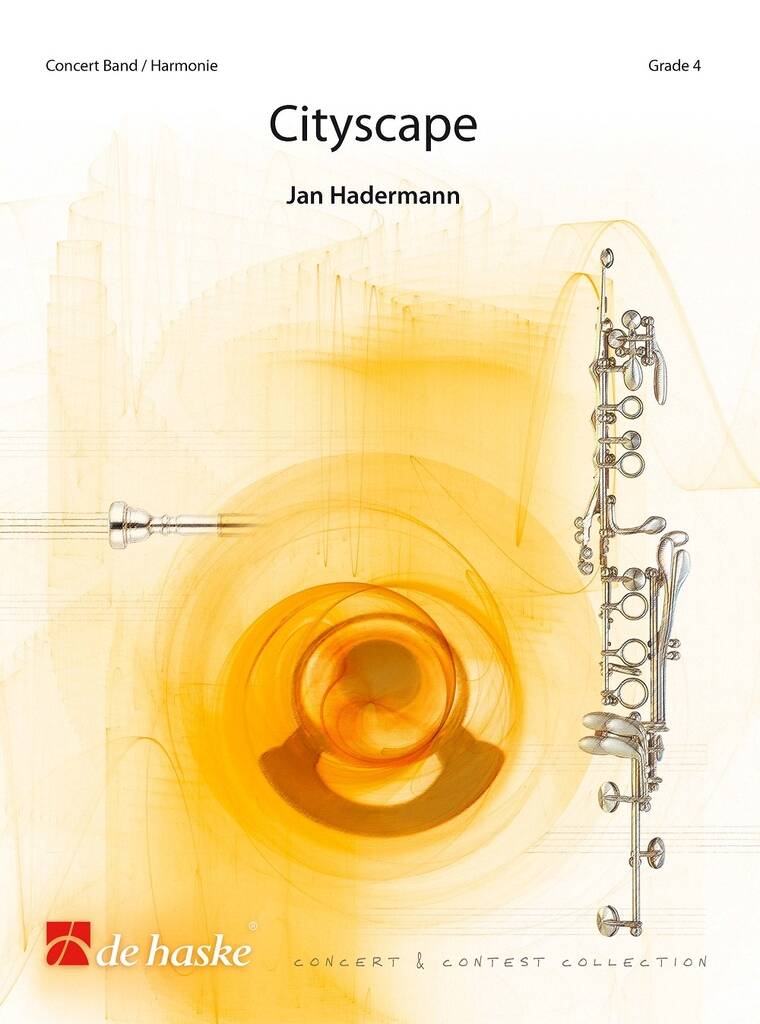
Cityscape - Jan Hadermann
Cityscape was commissioned by Concertband Antwerp for the 't Stad Geblazen event, which took place during the weekend of European Heritage Days in 2024.This short concert piece describes the impressions given when approaching and visiting the beautiful Belgian city of Antwerp from the north across the river Scheldt. We first pass the busy bustle of the harbour, home to the impressive Port House. Then the old city comes into view: the graceful cathedral tower, surrounded by smaller church spires and modern buildings, dominates the distinctive skyline. After setting foot ashore, we are struck by the beautiful way the medieval buildings here blend harmoniously with modern architecture. Our walk through the city continues: we visit the serene cathedral and are impressed by the picturesque faades of and around the city hall, as well as the Brabo Fountain on the Grote Markt (Large Market Square). Finally, it is time to enjoy the merriment taking place on the many squares of the lively city centre.
Estimated dispatch 7-14 working days
-
 £59.99
Maximus Fanfare - Thierry Deleruyelle
Maximus Fanfare is a dazzling, energetic work for wind band, conceived as a short, percussive overture in which brass and percussion impose their power from the outset. From the very first bars, an explosion of sound captures attention before giving way to vibrant orchestral development, leading to a triumphal conclusion.This fanfare was inspired by the majestic golden lion that sits atop the belfry in the Place des Hros in Arras, a town with a rich architectural heritage listed by UNESCO. A symbol of strength and grandeur, the lion finds a musical echo in this brilliant work full of panache.Commissioned by the Orchestre d'Harmonie d'Arras, the piece owes its name to Maxime Lavoine, its conductor since 2011, in tribute to his commitment to and passion for wind band music.With Maximus Fanfare, Thierry Deleruyelle has created an intense and luminous work, a musical tribute to the significance of Arras' heritage and the enthusiasm of the musicians who keep it alive.
Estimated dispatch 7-14 working days
-
 £68.95
Handel In The Strand - P. Grainger
This delightful Grainger classic was written to depict a jolly old George Friedrich Handel careening down the Strand (the theatre district of London) accompanied by the English popular music of the day. Given the original instrumentation and label as a chamber piece in Grainger's original publication, this transcription is taken directly from Grainger's "four-some" edition of 1912, transposed down a step from G to F major. It is scored to best depict the light (and sometimes percussive) quality of the piano along with the lyrical flow of the strings and the general character of chamber music. Ultimately, the "room music" quality of the original shines through in this skillful transcription while depicting the spirit of the piece in a way that Grainger might have chosen. (3:35)
Estimated dispatch 7-14 working days
 View Music