
Results
-
 £67.32
Centaur
Here's a terrific and challenging British march for concert band, from the pen of one of the greatest brass bandsmen of the U.K.! Originally composed as a contest march for brass band, "Centaur" is now available in this new concert band arrangement! An excellent march showpiece to demonstrate your band's virtuosity! This receives our highest recommendation!
Estimated dispatch 7-14 working days
-
 £72.99
Triglav (Concert Band - Score and Parts) - Fucik, Julius - Van der Beek, Wil
Julius Fucik wrote over 100 compositions: chamber music and piano pieces as well as works for symphony orchestra and choir. Aside from this he created countless compositions for wind band, earning himself the nickname 'Bohemian Sousa'. Triglav (opus 72) is an original march for wind band from 1900, named after the highest peak of Slovenia. Wil van der Beek has arranged this march for modern wind band instrumentation.Duration: 2:50
Estimated dispatch 7-14 working days
-
 £68.00
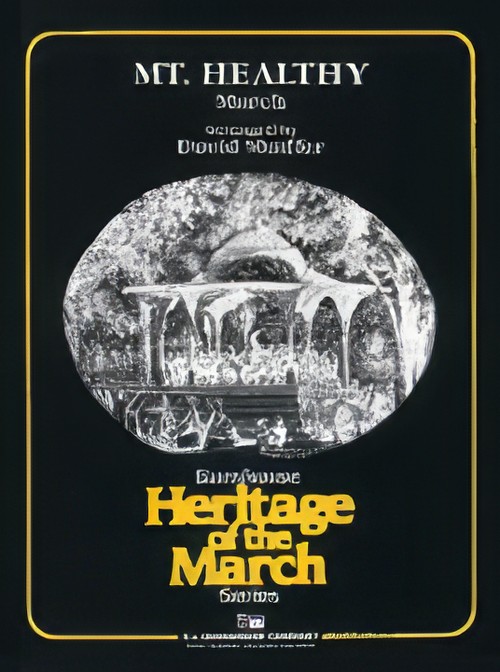
Mt. Healthy (Concert Band - Score and Parts) - Fillmore, Henry - Shaffer, David
This long-lost Fillmore march was written as a bet with fellow composer John Klohr in an attempt to prove that music sold because of its merit rather than because of the composer's popularity. To camouflage its origins, Fillmore wrote the march under the fictitious name, "Gus Beans" and called it Mt. Healthy by selecting the title at random from a list of Cincinnati, Ohio suburbs. An exceptional march for mid-level bands, Mt. Healthy is pure Henry Fillmore at his very best.Duration: 2.00
Estimated dispatch 7-14 working days
-
 £106.99
Royal Salute (Concert Band - Score and Parts) - Sparke, Philip
This march from Philip Sparke is in the tradition of the English ceremonial or concert march, such as the masterpieces written by Sir Edward Elgar and Sir William Walton. It attempts to continue this tradition with a march for intermediate band that has all the recognisable hallmarks such as broad melodies, counter melodies and a nobilmente trio.Duration: 5:15
Estimated dispatch 7-14 working days
-
£75.24
Marching Through Georgia (Concert Band - Score and Parts) - Sousa, John Philip
This Sousa march gem from 1921 is now available in a handsome new edition by Sousa expert Keith Brion. This lively 6/8 march will have toes tapping, and it's delightful lilt will please audiences and performers alike. An excellent march for any performance occasion!
Estimated dispatch 7-14 working days
-
 £39.60
Remember When? (Concert Band - Score and Parts)
An exceptionally nice traditional march for younger bands by Ken Harris. Sounding as big and full as many more difficult marches, this appealing march is quite accessible and perfect for concert or contest use. The newest in a long line of quality marches for younger players by the composer, "Badge of Honor" is sure to be performed for years to come. HIGHLY RECOMMENDED!
Estimated dispatch 7-14 working days
-
£39.60
Discover America (Concert Band - Score and Parts)
A spirited march for younger bands featuring strong melodic lines that are perfect for teaching your students the march style. Like all the popular Ken Harris marches, it's scored to produce a big full sound and includes an optional keyboard part for use as a rehearsal aid or to help bands with very limited instrumentation. Can't Be Beat!
Estimated dispatch 7-14 working days
-
£50.00
Hail America! - Richards, J. J. - Glover, Andrew
This patriotic toe-tapper is the perfect march for any concert, festival, or contest performance. Features "America the Beautiful" and "America" (My Country 'Tis Of Thee) along with snippets of other patriotic favorites. Well suited for developing bands, it's an excellent teaching tool for march style, as well as a guaranteed audience hit.
Estimated dispatch 7-14 working days
-
£44.55
In The Center Ring
You will imagine you are at the circus watching the clowns, jugglers and other performers as you hear this delightful march for mid-level bands. All sections get a chance to shine and perfect device for teaching students the 6/8 march style. A unique and colorful programming choice for any concert or festival performance.
Estimated dispatch 7-14 working days
-
£59.40
Kinizsi (Concert Band - Score and Parts) - Fucik, Julius
Julius Fucik was the king of Czech music, composing many marches, waltzes, polkas, and other light works, and is most famous for his "Entrance of the Gladiators" and "Florentiner" marches. His Hungarian march "Kinizsi", named for the famous Hungarian military hero, is a powerful symphonic march for mature bands. Impressive and unique!
Estimated dispatch 7-14 working days
 View Music